cation exchanger in ion exchange chromatography
Why Ion Exchange Chromatography Cation Exchangers Matter Today Ion exchange chromatography cation exchangers might sound like a mouthful, but they're at the heart of countless processes that touch our daily lives — from purifying drinking water to manufacturing critical pharmaceuticals. Globally, millions depend on these materials to separate, purify, and analyze substances with unmatched efficiency. Understanding how these cation exchangers work sheds light on why industries as varied as biotech, environmental monitoring, and food processing heavily rely on them. Takeaway: Ion exchange chromatography cation exchangers serve as indispensable workhorses in the worldwide effort to provide clean, safe, and specialized products. The Global Context: Challenges That Ion Exchange Chromatography Addresses To appreciate the importance of ion exchange chromatography cation exchangers, consider this: The World Bank estimates that about 2.2 billion people lack safely managed drinking water worldwide. Meanwhile, industries increasingly demand ultra-pure chemicals and biomolecules. Ion exchange chromatography, particularly with cation exchangers, offers a scalable solution to these problems by enabling precise separation of positively charged ions from complex mixtures. Whether it’s industries in Asia cranking out pharmaceuticals or water treatment plants in Africa ensuring potable water, the utility of cation exchangers is undeniable. Yet, challenges remain — such as improving efficiency without soaring costs or minimizing environmental footprints. Takeaway: Ion exchange chromatography plays a pivotal role in addressing global water scarcity and industrial purities, bridging gaps between technology and humanity’s basic needs. What Exactly Is an Ion Exchange Chromatography Cation Exchanger? At its core, ion exchange chromatography is a separation technique where ions are swapped between a solution and an ion exchange resin — in this case, cations (positively charged ions) are selectively trapped and exchanged. A cation exchanger is usually a resin bead embedded with negatively charged functional groups that attract and hold onto cations like sodium, calcium, or heavy metals. Think of these resins as microscopic Velcro strips for positive ions. Industries use them to isolate things like proteins, metal ions, or other charged molecules. It’s an elegant dance of chemistry and physics, enabling precise purification in complex mixtures. Check this link for examples of advanced cation exchanger products used across industries. Takeaway: In simple terms, a cation exchanger selectively captures and swaps positive ions, making it crucial for analytical and purification processes. Main Characteristics of Ion Exchange Chromatography Cation Exchangers 1. Selectivity Not all cation exchangers behave the same. Their functional groups dictate which ions they prefer — some target monovalent ions like sodium, others are aimed at divalent ones such as calcium. This selectivity matters tremendously for applications where purity and specificity are prized. 2. Capacity The capacity of a resin indicates how many ions it can hold before needing regeneration. Higher capacity means more efficient runs, particularly in industrial settings. Though higher capacity resins may cost more upfront, they often save time and money overall. 3. Durability & Chemical Stability A resin’s lifespan depends on its resistance to chemicals and physical wear and tear. Durable cation exchangers reduce downtime in production as replacements and maintenance are minimized. Many modern resins are designed to withstand harsh pH ranges and temperatures. 4. Flow Rate & Pressure Tolerance In chromatography columns, the speed at which fluid passes through is crucial. Resins that tolerate higher flow rates and pressures improve throughput but must maintain separation quality. It’s a balancing act many engineers study carefully. 5. Regenerability Most cation exchangers can be regenerated — flushing out trapped ions so they can be reused. Scalable regeneration is important to reduce waste and costs, especially in large-scale operations. Specification Typical Range Notes Particle Size 50-300 μm Smaller size = higher resolution Ion Exchange Capacity 1.0 - 5.0 meq/mL Higher capacity = more ions absorbed Operating pH Range 2 – 14 Wide range increases versatility Max Operating Temp Up to 120°C Important for industrial conditions Regeneration Method Acidic or Salt Solutions Depends on application Takeaway: Each core factor determines how well a cation exchanger fits the job, from lab-scale assays to massive water treatment plants. Global Use Cases of Ion Exchange Chromatography Cation Exchangers Worldwide, ion exchange chromatography utilizing cation exchangers finds place in: Water purification: Removing hardness ions like calcium and magnesium to prevent scale and improve taste. Pharmaceutical purification: Isolating proteins or active ingredients with exquisite precision. Food & beverage industry: Removing unwanted metal ions or enhancing nutrient profiles. Environmental monitoring: Tracing heavy metals in soil and water for pollution control. For example, in Southeast Asia's rural water schemes, robust cation exchangers help convert brackish water into safe drinking sources. Similarly, European biotech firms rely on these resins for producing life-saving monoclonal antibodies. Another interesting instance is in remote mining operations in Australia, where they treat wastewater to comply with strict environmental regulations. Takeaway: From deserts to labs, cation exchangers tackle pressing global needs, adapting cleverly to various demands. Why Choose Ion Exchange Chromatography Cation Exchangers? Advantages That Stick Candidly, the appeal lies in versatility and effectiveness. Here are some gains: Cost Efficiency: The ability to regenerate resins reduces costs over time. Sustainability: Less chemical waste compared to alternative purification methods. Reliability: Stable performance under challenging chemical conditions. Safety & Quality: Produces high-purity products essential for healthcare and food sectors. Social Impact: Supporting water treatment projects that enhance communities’ wellbeing. Technicians often say, “once you’ve worked with a good cation exchanger, you notice the difference immediately” — how smooth runs become, and how minimal troubleshooting is needed. Takeaway: Ion exchange chromatography cation exchangers blend economics, sustainability, and essential safety into one package. Future Trends & Innovations on the Horizon The field certainly isn’t static. Green chemistry initiatives push resin manufacturers towards biodegradable materials and less toxic regeneration agents. Meanwhile, digital analytics technologies integrate with chromatography systems, enabling smart monitoring of resin health and process optimization in real time. Nanotechnology is also weaving into resin design — imagine ultra-fine resin particles improving resolution without clogging or high backpressure. Automation in regeneration and column handling promises less human error and greater scalability. One near future I speculate about is “smart” cation exchangers that adjust selectivity dynamically, adapting to changing fluid compositions. Suddenly, resin isn’t static but actively responding — intriguing, right? Takeaway: Innovation is vibrant in ion exchange chromatography, promising better efficiency, sustainability, and adaptability. Challenges You Might Face, and How Industry Tackles Them Sure, ion exchange chromatography cation exchangers have quirks: Fouling & Clogging: Over time, residues can reduce resin efficiency. Cost Barriers: High-quality resins aren’t always cheap upfront. Selective Limitations: Some ions are tricky to separate effectively. Industry experts recommend regular resin maintenance cycles, innovation in resin cleaning agents, and hybrid separation techniques combining ion exchange with membranes or filtration. Plus, new resin chemistries tailored for resistant contaminants are emerging. It’s all about fine-tuning and never settling for “good enough.” Takeaway: Challenges exist but are met head-on by evolving technology and best practices. Comparing Popular Ion Exchange Chromatography Cation Exchangers: Vendors At A Glance Vendor Resin Capacity (meq/mL) Max Temp (°C) Typical Applications Approximate Cost LiJiResin 4.5 120 Pharma, Water Treatment $$$ ResinTech 3.8 100 Food, Beverage $$ BioPure 5.0 110 Biotech, Research $$$$ FAQ: Ion Exchange Chromatography Cation Exchangers Unpacked Q1: How do I choose the right cation exchanger for my water treatment plant? A: Consider the types of ions in your source water and your throughput needs. Higher capacity resins perform better on harder water. Also factor in regeneration convenience and cost. Q2: Can ion exchange chromatography cation exchangers remove heavy metals effectively? A: Yes, especially those specially formulated for divalent or multivalent ions, many cation exchangers efficiently trap lead, mercury, and cadmium. Q3: What maintenance is required to keep these resins performing optimally? A: Regular regeneration cycles with acid or salt washes help remove accumulated ions. Occasional backflushing and monitoring for fouling extend resin life. Q4: Are there eco-friendly options among cation exchangers? A: Manufacturers are developing biodegradable and recyclable resins along with gentler regeneration agents, making greener options increasingly available. Q5: How scalable are ion exchange chromatography cation exchangers for industrial use? A: Quite scalable! Units range from milliliter lab columns to massive industrial beds treating thousands of liters per hour. Selecting the right resin and equipment size is key to success. Wrapping Up: The Lasting Value of Ion Exchange Chromatography Cation Exchangers In real terms, these cation exchangers are quietly powering solutions to health, industry, and environmental challenges across the globe. Their blend of cost efficiency, regenerative capability, and adaptable chemistry makes them hard to beat. Looking forward, innovations in materials and digital tech promise to push their capabilities even further. If you’re curious or ready to explore top-tier ion exchange chromatography cation exchangers, visit our website for detailed product info and expert guidance. References & Further Reading Ion Exchange Chromatography - Wikipedia WHO - Drinking Water ISO Standards on Water Treatment
-
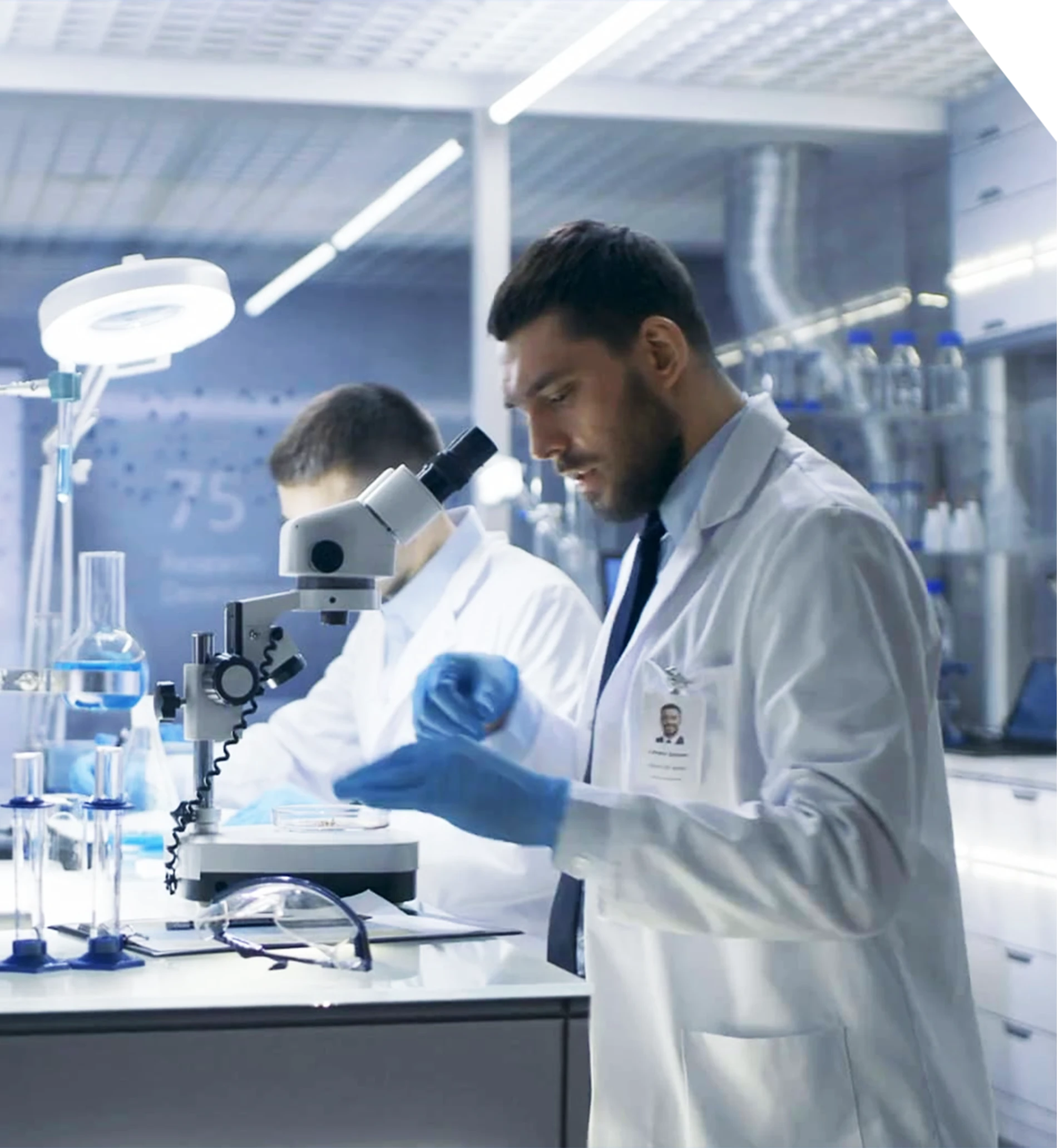
 Strong R & D Capability And Experienced Technical Team
-
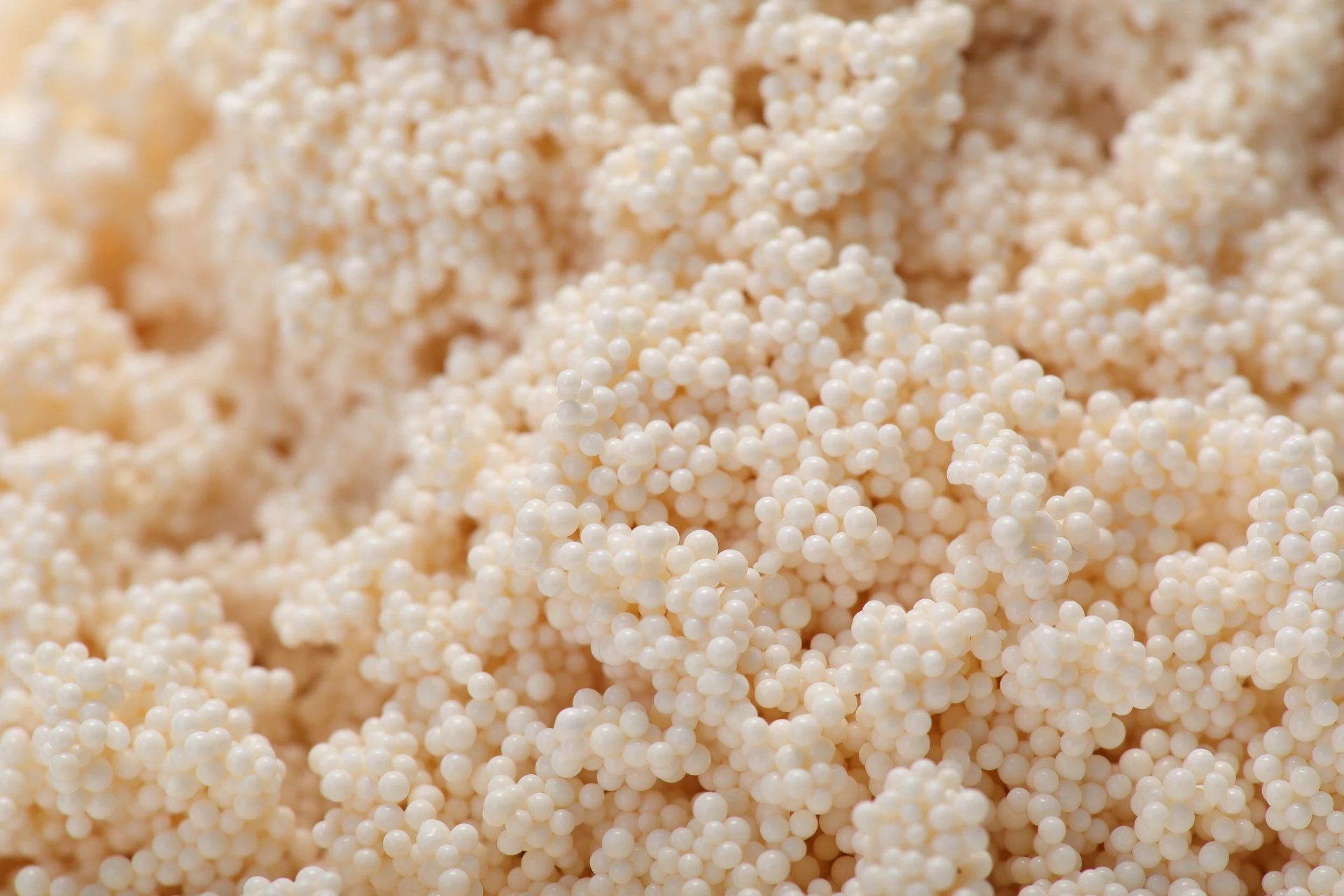
Provide Customers With Competitive And Differentiated Products